Reviving You Recovery
Luxury Drug & Alcohol Rehab in Menifee, CA
Recognizing Relapse in a Loved One

By Reviving You Recovery — Menifee, California, in the heart of the Temecula Valley
Recognizing relapse in a loved one is one of the most emotionally complex and heart-wrenching challenges families face. When someone you love has worked hard to break free from drugs or alcohol, seeing signs that they may be slipping backward can stir fear, confusion, anger, sadness, and helplessness all at once. And yet, relapse—while painful—is a common and treatable part of the recovery process. It is not a moral failing, not a sign that someone can’t recover, and not a reason to give up hope. It is a sign that more support is needed.
At Reviving You Recovery, located in Menifee, California in the warm, healing environment of the Temecula Valley, we guide families through these moments with compassion and clarity. Understanding the early signs of relapse, knowing what to do next, and responding with love (instead of panic) can make all the difference in helping your loved one return to recovery with dignity and safety.
This article will help you understand what relapse looks like, why it happens, the subtle cues you may notice before substance use begins again, and how to intervene in a way that protects your loved one’s well-being while preserving your own.
Elements of a Relapse
Relapse often gets misunderstood. Many people think relapse only happens the moment someone uses drugs or alcohol again. But clinically, relapse is a process that unfolds in stages:
1. Emotional Relapse
Someone isn’t thinking about using, but their behaviors and emotions are putting them at risk. They may be overwhelmed, isolating, irritable, or neglecting their self-care.
2. Mental Relapse
This stage involves internal conflict—part of the person wants to stay sober, but another part is fantasizing about using, downplaying past consequences, or craving the relief substances once provided.
3. Physical Relapse
This is the stage most people recognize: drinking or using drugs again.
Knowing these phases can help families intervene before physical relapse takes place. Most people don’t simply “fall back into using”—there are often signs, sometimes subtle, sometimes loud.
Why Do People Relapse?
Recovery is not linear. Even when someone is deeply committed, relapse can occur for reasons such as:
- Stress or emotional overload
- Unresolved trauma
- Loss of structure or routine
- Being around old friends or environments linked to addiction
- Relationship conflict
- Chronic pain or untreated mental health issues
- Complacency—believing they are “cured”
- Loneliness or boredom
- Seasonal depression or life transitions
In the Temecula Valley and surrounding communities like Menifee and Murrieta, we see many people relapse during periods of major change—moving, job shifts, breakups, grief, or feeling overwhelmed by family responsibilities.
Relapse does not mean the person is broken. It means something in their recovery plan needs strengthening.
Early Signs of Relapse: What Loved Ones Should Look For
Every person is different, but there are common behavioral, emotional, and social indicators that can signal a loved one is slipping into relapse mode.
Below is a breakdown of the categories and the signs to watch for.
1. Emotional and Behavioral Changes
These usually appear before a return to substance use.
- Irritability, mood swings, or increased anger: Someone who normally manages stress well may become reactive, sensitive, or unpredictable.
- Isolation from family or friends: They may withdraw from social interactions, become distant, or shut down emotionally.
- Sleep problems: Insomnia, oversleeping, or erratic sleeping patterns can be warning signs.
- Neglecting responsibilities: This may include missing work, falling behind on bills, or letting household tasks pile up.
- Lack of self-care: Changes in hygiene, appearance, or daily routines can signal emotional dysregulation.
- A sudden increase in secrecy: Locked doors, hidden phone activity, vague explanations, or avoiding eye contact may indicate something is wrong.
- Restlessness or difficulty focusing: The mind may be preoccupied with cravings or the stressors that trigger them.

2. Changes in Thinking or Attitude
These cognitive shifts may signal mental relapse.
- Romanticizing their past use
“They weren’t that bad…”
“I had more fun back then…”
“I’m not like other addicts…” - Downplaying consequences: Convincing themselves and others that they can handle it “just once.”
- Justifying risky behavior: Such as hanging out with old drinking buddies or going to triggering places.
- Denial of stress or emotional issues. You may hear:
“I’m fine.”
“You’re overreacting.”
“I don’t need meetings.”
“I’m too busy for therapy.” - Loss of interest in recovery: Missing meetings, skipping therapy sessions, or not taking medications as prescribed.
These aren’t minor changes—they’re often major clues that relapse is creeping in.
3. Social and Environmental Signs
- Reconnecting with people associated with past substance use: You may notice new numbers text messaging them or old friends coming back into the picture.
- Avoiding supportive relationships: Individuals avoiding sober friends, mentors, or supportive family members may do so intentionally to hide their internal struggle.
- Changes in daily routine: Recovery thrives on structure. When that structure breaks down, vulnerability increases.
- Financial irregularities: Missing money, unexplained withdrawals, borrowing money, or new financial secrecy can be red flags.
4. Physical Signs (If Substance Use Has Begun)
These appear in the physical relapse stage:
- Slurred speech
- Unsteady movements
- Pinpoint or dilated pupils
- Smelling of alcohol or chemicals
- Sudden weight changes
- Track marks (depending on the substance)
- Frequent illnesses
- Decline in energy
Once physical signs appear, the situation becomes urgent. The earlier you recognize emotional or behavioral signs, the better chance your loved one has of avoiding a return to full-blown addiction.
Get Your Questions Answered Now
What NOT to Do When You Suspect Relapse
Before we discuss solutions, it’s important to understand what tends to worsen the situation:

❌ Do not shame them. Shame fuels addiction—it never stops it.
❌ Do not accuse without clarity. This often causes defensiveness, lying, or distancing.
❌ Do not panic. Your response sets the emotional tone. Panic can prevent honest communication.
❌ Do not take their behavior personally. Relapse is not about you—it’s about internal struggles that require support.
❌ Do not enable. Covering for them, giving money, or minimizing the problem makes recovery harder.
Staying calm and grounded is essential for helping someone navigate relapse safely.
What TO Do When You Suspect a Loved One Is Relapsing
Here are steps that truly help:
1. Approach Them with Compassion
Use a calm, supportive, non-judgmental tone. Here are helpful openers:
- “I’ve noticed you seem stressed lately—how can I support you?”
- “You don’t seem like yourself. Do you want to talk about what’s going on?”
- “I care about you, and I’m here if you’re struggling.”
This opens doors rather than closing them.
2. Ask Direct but Gentle Questions
If you suspect relapse, you can ask:
- “Have you been thinking about using?”
- “Are cravings becoming harder to manage?”
- “Do you feel like your recovery plan isn’t working right now?”
Many people will be relieved to be asked.
3. Encourage Professional Support
Relapse is medical—not moral. Recovery professionals are trained to respond without judgment.
Encourage:
- Attending a meeting
- Re-engaging with their therapist
- Contacting a sponsor
- Considering detox or treatment if use has already started
You may say:
“Let’s talk to someone who knows how to help—can I go with you?”
4. Set Clear Boundaries
Healthy boundaries protect both you and your loved one.
Examples:
- “I can support you emotionally, but I cannot give you money.”
- “You can stay here as long as you are sober and seeking help.”
- “I won’t cover for missed work or broken commitments.”
Boundaries aren’t punishments—they’re acts of love with structure.
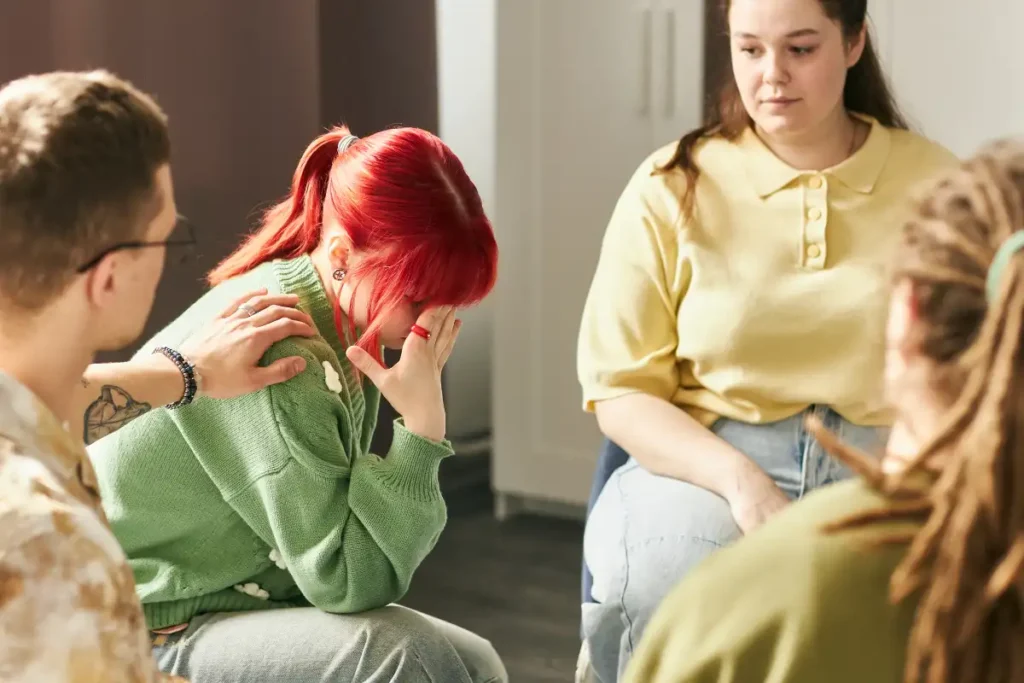
5. Seek Your Own Support
Family members need care too.
Consider:
You do not have to navigate relapse alone.
How Reviving You Recovery Helps Individuals and Families After Relapse
Here in Menifee’s Temecula Valley, Reviving You Recovery provides a peaceful, warm, and supportive environment ideal for people restarting their recovery journey. Our team understands that relapse is common—and completely treatable.
We offer:
- Medical Detox: Safe, comfortable, and supervised detox for individuals who have returned to substance use and need medical help stabilizing.
- Residential Treatment: A structured, therapeutic environment to help clients rebuild stability, emotional balance, and coping skills.
- Dual Diagnosis Care: Addressing mental health conditions—such as depression, anxiety, PTSD, or bipolar disorder—that often contribute to relapse.
- Relapse Prevention Programming
Clients learn:- Trigger management
- Coping tools
- Emotional regulation
- Long-term planning
- Self-accountability
- Lifestyle restructuring
- Family Therapy: Helping loved ones heal communication patterns, build boundaries, and support recovery without enabling.
- Aftercare and Long-Term Support: We help individuals transition back into life with safety, structure, and accountability. Relapse is not the end of the story—it’s a moment that requires compassionate action and appropriate care. Reviving You Recovery is here to help your loved one return to the path of stability and healing.

Why Warm Weather Helps Healing: The Temecula Valley Advantage
Menifee and the surrounding Temecula Valley offer a natural therapeutic environment:
- Mild climate supports outdoor activities that reduce stress.
- Sunlight exposure elevates mood and boosts serotonin.
- Access to nature encourages grounding, mindfulness, and reflection.
- Peaceful surroundings create distance from triggers and pressures.
For many clients, coming to rehab in sunny Southern California provides a sense of calm they haven’t felt in years.
Final Thoughts: Recognizing Relapse Is an Act of Love
Seeing signs of relapse can be frightening—but recognizing them early is one of the greatest gifts you can offer your loved one.
Remember:
- Relapse is treatable.
- You didn’t cause it.
- You can support their recovery without sacrificing your own well-being.
- Professional help can guide your family safely through the process.
At Reviving You Recovery in Menifee, we walk beside families through every stage of addiction, relapse, and healing. If your loved one is showing signs of relapse—or if you’re not sure—reach out. Help, hope, and healing are closer than you think.
We are in network with:






We know insurance coverage can be a source of uncertainty for people. We make sure you have all the information necessary. The great news is health insurance can potentially cover the total treatment costs. If you don't have insurance, we offer cash payment options for our treatment programs and are committed to working with clients regardless of financial situations.