
Equine Therapy in Menifee, CA
The Power of Equine Therapy at Reviving You Recovery | Menifee, California
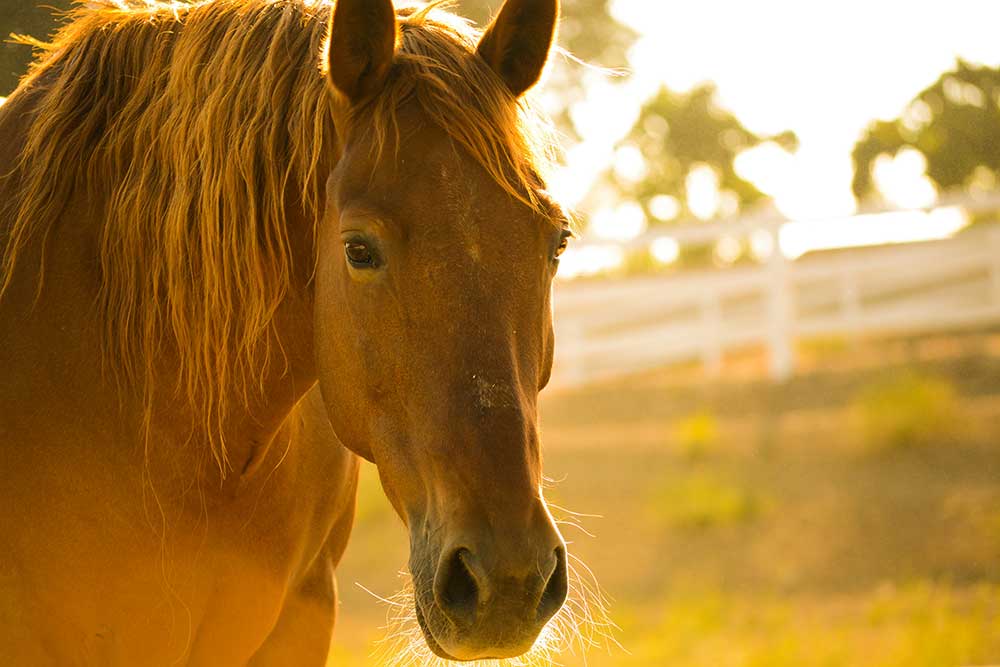
Healing Through Connection
At Reviving You Recovery, nestled in the scenic rolling hills of Menifee, California, in the heart of the Temecula Valley, we understand that healing from addiction requires more than traditional talk therapy. We believe in a well-rounded, holistic approach to recovery—one that treats the whole person, not just the symptoms of substance use disorder. That’s why we offer equine-assisted therapy as a powerful and transformative part of our drug and alcohol treatment programs.
Equine therapy, also known as equine-assisted psychotherapy (EAP) or horse therapy, is a therapeutic modality that involves interacting with horses under the guidance of licensed professionals. It’s not about riding or horsemanship—it’s about connection, presence, emotional regulation, and personal insight. In a peaceful, natural setting surrounded by open skies and the quiet grace of these magnificent animals, clients at Reviving You Recovery can explore a new pathway to healing and self-discovery.
Why Horses?
Horses are incredibly sensitive, intuitive creatures. They mirror human emotions, respond to nonverbal cues, and live fully in the present moment. These qualities make them ideal partners in therapy, especially for individuals navigating the challenges of addiction and co-occurring mental health conditions like anxiety, depression, trauma, or PTSD.
Unlike people, horses don’t judge. They respond authentically and without agenda, helping clients build trust, improve communication skills, and become more self-aware. For many in early recovery—where trust and vulnerability can be difficult—this nonverbal, emotionally safe connection can be life-changing.
Equine Therapy in the Temecula Valley Setting
The Temecula Valley is known for its rolling hills, serene horse ranches, and wide open spaces—making it the perfect environment for equine therapy. At Reviving You Recovery in Menifee, we’re fortunate to be part of this naturally beautiful region. Just a short drive from the city, yet surrounded by nature, our setting provides the quiet and calm needed for this deeply personal work.
Clients in our care often find that being outdoors with horses allows them to slow down, breathe deeply, and engage with their treatment in a way that feels both organic and grounding. The experience helps foster mindfulness, reduce anxiety, and promote a sense of emotional safety—something that’s essential in the early stages of sobriety.
What Happens During Equine Therapy?
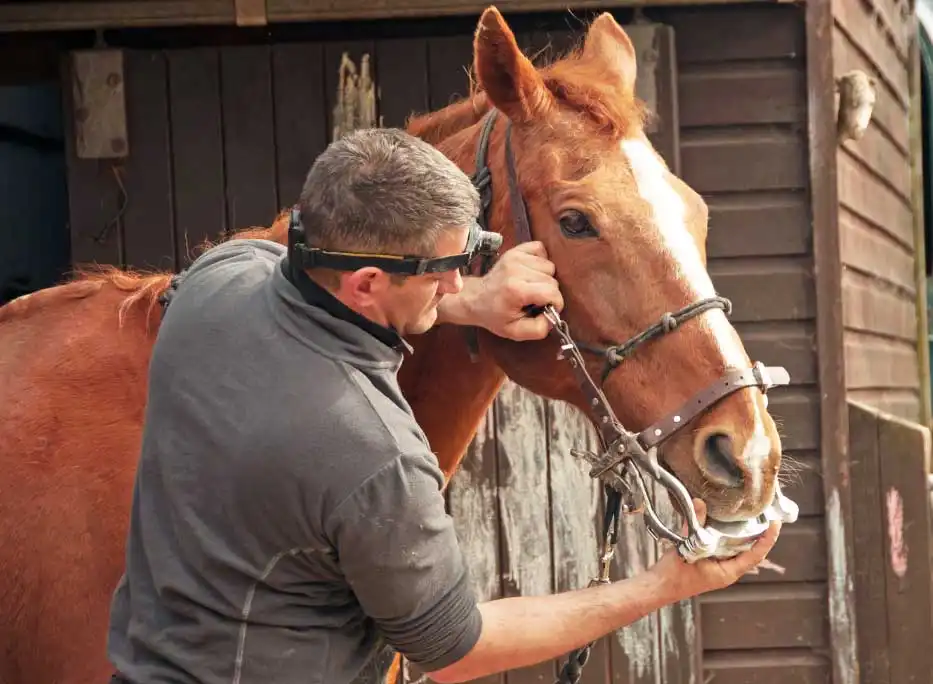
Each equine therapy session is guided by a trained therapist and an equine specialist. Sessions typically take place in a pasture, arena, or barn setting. Clients are not expected to have any prior experience with horses and do not need to ride. Instead, sessions may include:
- Grooming or feeding the horse
- Leading the horse through exercises or obstacle courses
- Observing the horse’s body language and behavior
- Processing emotions and insights with the therapist
- Working in pairs or groups for relational exercises
The goal isn’t performance—it’s presence. Horses reflect the client’s energy and emotional state, which helps individuals become more attuned to how they show up in relationships and how their emotions impact others. For people working through addiction, shame, anger, guilt, and trauma, this kind of real-time feedback is invaluable.
Emotional and Psychological Benefits
Equine-assisted therapy supports recovery in numerous emotional and psychological ways. Here are just a few of the benefits our clients have experienced:
1. Improved Emotional Regulation
Learning to approach a 1,200-pound animal requires calmness, focus, and control. Horses don’t respond well to chaos or volatility, so working with them naturally encourages clients to manage their emotions and approach with mindfulness. Over time, this helps translate into healthier emotional responses in everyday life.
2. Enhanced Self-Esteem and Confidence
Successfully interacting with and caring for a horse can instill a deep sense of accomplishment. For those whose self-worth has been diminished by addiction, this confidence boost is a powerful part of healing. Clients learn that they are capable, worthy, and able to lead with integrity.
3. Greater Self-Awareness
Horses act as mirrors. If a person is anxious, distant, or aggressive, the horse will respond in kind. This honest feedback provides opportunities for clients to reflect on their behavior patterns and learn how to adjust their approach in relationships.
4. Increased Trust and Connection
Addiction often erodes trust—both in others and in oneself. Building a relationship with a horse involves mutual respect, patience, and nonverbal communication. This unique connection can help clients begin to trust again and experience the safety of being seen and accepted without judgment.
5. Reduced Stress and Anxiety
Simply being in the presence of horses can be calming. The quiet rhythm of grooming, the soft sounds of nature, and the simple act of caring for another being all promote relaxation and help regulate the nervous system. For clients in early recovery, where anxiety is often high, these moments of peace are deeply restorative.
How Equine Therapy Supports Addiction Recovery
Equine therapy isn’t a stand-alone treatment—it’s part of a broader, integrated plan that includes detox, clinical therapy, group counseling, education, and aftercare. At Reviving You Recovery, we incorporate equine therapy as a complementary modality that enhances the effectiveness of traditional addiction treatment.

Here’s how it contributes to long-term recovery:
- Develops new coping skills: Clients learn to manage frustration, regulate emotions, and stay grounded during moments of uncertainty—skills that directly support sobriety.
- Rebuilds healthy routines: Caring for a horse and showing up consistently for sessions fosters accountability and structure.
- Supports trauma work: Many clients struggling with addiction have experienced unresolved trauma. Equine therapy creates a safe space to explore these experiences in a nonverbal, body-centered way.
- Builds empathy and responsibility: Addiction can be isolating and self-focused. Taking care of another living being helps clients reconnect with compassion and empathy.
By engaging the body, mind, and heart, equine therapy allows for deeper healing and emotional breakthroughs that can be difficult to access through talk therapy alone.
Who Can Benefit?
Equine therapy is appropriate for clients at various stages of recovery and can be especially beneficial for those who:
- Struggle with trust, intimacy, or interpersonal relationships
- Have a history of trauma or PTSD
- Experience anxiety or depression
- Find it difficult to express emotions verbally
- Have relapsed or feel stuck in their recovery
At Reviving You Recovery, we tailor each client’s experience to their unique needs, personality, and treatment goals. Our equine therapy offerings are flexible and adaptable, with both individual and group session formats.
Our Commitment at Reviving You Recovery
Located in Menifee, California, Reviving You Recovery is proud to offer equine-assisted therapy as part of our comprehensive treatment services. Our program reflects the beauty, strength, and serenity of the Temecula Valley—a place where healing feels not only possible but natural.
We are committed to providing:
- Evidence-based and holistic care methods
- Compassionate, trauma-informed professionals
- Beautiful and serene surroundings that support wellness
- Innovative therapies that go beyond conventional approaches
- Personalized treatment plans that respect your journey
Our equine therapy program is just one of many ways we help individuals rediscover themselves, build resilience, and move forward with clarity and confidence.

Explore Equine-Assisted Therapy at Reviving You Recovery
Equine-assisted therapy is one part of the broader treatment experience at Reviving You Recovery. Our detox and residential programs in Menifee combine clinical care, structured programming, and holistic therapies to help clients build healthier ways to manage stress, emotions, relationships, and substance use.
If you are considering treatment for yourself or someone you care about, you do not need to have everything figured out before reaching out. Our admissions team can answer questions about the program, explain what treatment may look like, review insurance coverage, and help you understand the next steps based on your situation.
Call Reviving You Recovery or complete our confidential contact form to learn more about equine-assisted therapy, medical detox, residential treatment, and our Menifee facility. We are here to help you determine what level of support makes sense and make the process of starting treatment as clear as possible.
Let the healing begin—one step, one breath, and one hoofbeat at a time.
Embrace the strength and resilience within you, and trust that by taking the first step to help yourself, you are not only opening the door to a brighter, healthier future but also unlocking your true potential.

Hope and love live here. I have failed at every detox before this because of the lack of general care and information (or lack thereof), and instead, I was shown a new perspective here, and I am forever grateful to be recovering ME again. Thank you for giving me another shot at life and love when I didn’t think I had one left.
— PM